
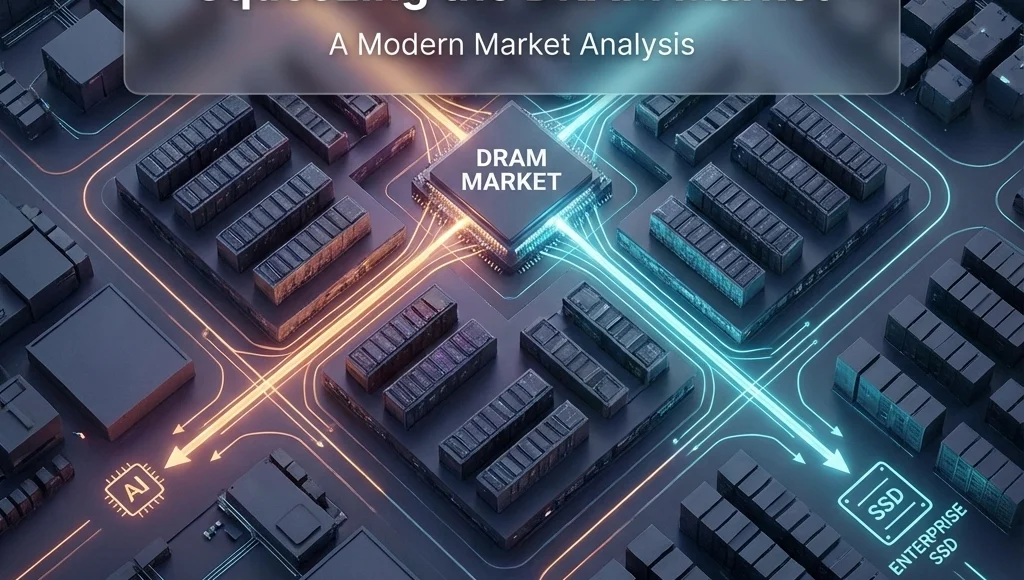
Have you checked your memory module quotes lately? If you haven’t looked at DDR4 and DDR5 pricing in the past few months, you’re in for a shock. What used to cost around $7 per chip in September is now hitting $27 – and that’s just the beginning of what industry experts are calling the most dramatic memory shortage since the early 2000s.
You might be wondering what’s driving this sudden surge. The answer lies in an unexpected corner of the tech world: artificial intelligence. The same AI revolution that’s transforming industries is now fundamentally reshaping the memory market, and the ripple effects are hitting everyone from enterprise buyers to consumers building gaming rigs.
What’s Really Behind the Memory Price Explosion?
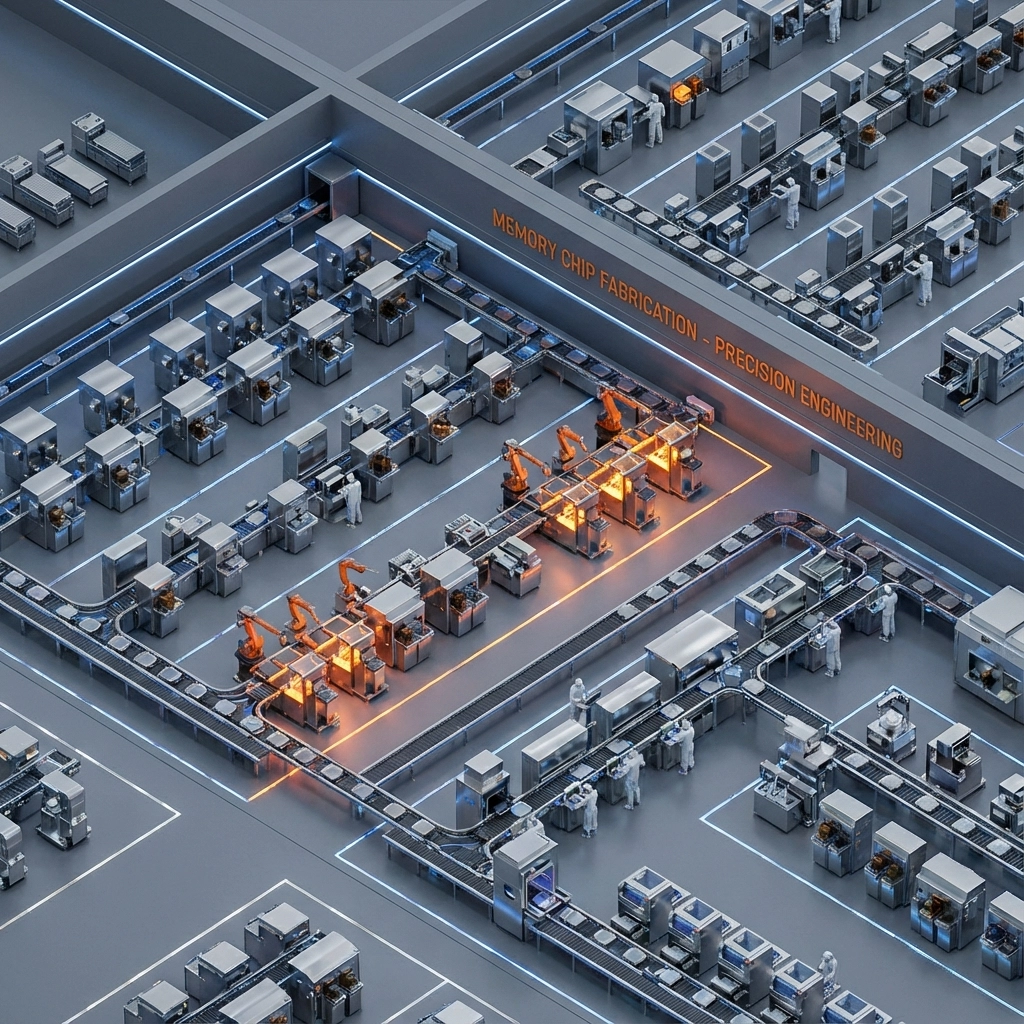
The core issue isn’t traditional supply and demand – it’s a massive reallocation of production capacity. Memory manufacturers like Samsung and SK Hynix are shifting their production lines away from consumer DDR4 and DDR5 toward High Bandwidth Memory (HBM) and enterprise modules that AI companies desperately need.
Here’s why this matters for your business: every wafer that goes toward producing HBM for AI accelerators is one less wafer available for the DDR5 modules you need for your servers, workstations, and consumer devices. When hyperscalers like AWS, Google, and Microsoft sign massive multi-year contracts for AI-specific memory, they’re essentially pulling supply away from the broader market.
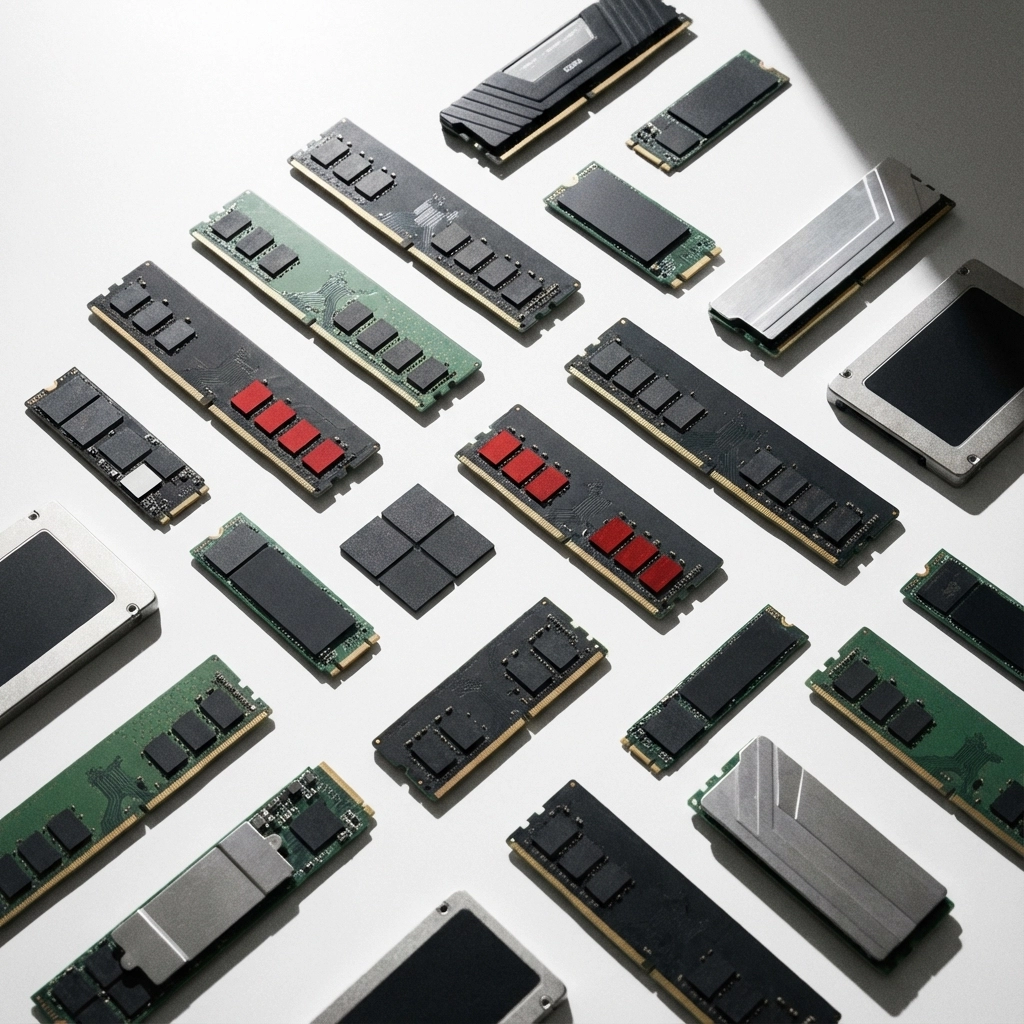
The financial incentives are clear. HBM and server DDR5 RDIMMs (Registered Dual In-Line Memory modules) offer memory manufacturers significantly higher profit margins and long-term volume commitments compared to consumer RAM. Samsung has particularly focused on server DDR5 RDIMMs, which currently provide better margins than even HBM production.
How Dramatic Are We Talking About?
The numbers tell a stark story. A 16Gb DDR5 chip that averaged $6.84 in September 2025 reached $27.20 by December 1st – a nearly fourfold increase in just over two months. This isn’t a gradual price adjustment; it’s a market disruption happening in real-time.
But the impact goes beyond just DDR memory. NAND flash used in SSDs is also being redirected toward enterprise and AI workloads, driving SSD prices upward after years of steady decline. If your business relies on storage upgrades or new deployments, you’re feeling this squeeze across multiple components simultaneously.
The shortage is affecting unexpected areas too. Graphics card production is being impacted since GDDR memory comes from the same manufacturers. Even legacy memory types like DDR3 and DDR4 – which should be naturally phasing out – are becoming more expensive as supply cuts outpace the natural decline in demand.
Why Is Your Supply Chain Getting Squeezed Even Tighter?
The consumer DRAM market is facing a perfect storm. Micron’s exit from the consumer RAM and SSD market has left only Samsung and SK Hynix as major suppliers to consumers and smaller businesses. With reduced competition and AI companies locking up long-term contracts, you’re essentially competing for the scraps of production capacity.
This consolidation means that when major players redirect their production, there aren’t alternative suppliers to pick up the slack. The market has become increasingly concentrated, making it more vulnerable to these kinds of supply shocks.
What Does This Mean for Your Business Operations?
If you’re in IT procurement, this situation creates several immediate challenges. First, your memory upgrade projects are going to cost significantly more than budgeted. That server refresh you planned for Q2 2026 might need serious budget revisions.
Second, availability is becoming as much of an issue as price. As distribution stockpiles exhaust in Q1-Q2 2026, you might find that allocation becomes difficult regardless of your willingness to pay higher prices. This means you need to think strategically about essential versus nice-to-have upgrades.
For businesses in manufacturing, the implications extend to your end products. If you’re producing devices that rely on DDR memory, your input costs are rising substantially. This forces difficult decisions about pricing, feature sets, or profit margins.
How Long Will This Shortage Last?
Unfortunately, relief isn’t coming quickly. Industry experts don’t expect normalization until late 2027 or potentially 2028. SK Hynix has announced plans to boost DRAM production by 8x in 2026, but most of that additional output is already earmarked for AI and enterprise customers with existing contracts.
The timeline reflects the fundamental nature of memory manufacturing. These aren’t assembly lines that can be quickly retooled – they’re highly specialized fabrication facilities that require months or years to modify production allocation. When manufacturers commit to HBM production, they’re making long-term capacity decisions.
TeamGroup’s general manager has indicated that the supply situation may actually worsen in early 2026 before any improvement begins. This suggests that if you have critical memory needs, waiting for prices to drop might not be a viable strategy.
What Can You Do to Navigate This Crisis?
Start by auditing your actual memory needs versus wants. That server upgrade you planned might be postponable if current performance is adequate. Focus your budget on truly critical applications where memory constraints are limiting business operations.
Consider alternative approaches to capacity expansion. Instead of adding more servers with expensive DDR5, could you optimize existing workloads or migrate some applications to cloud services where the provider absorbs the memory cost inflation?
For longer-term planning, build relationships with distributors who can provide allocation visibility. Understanding when memory becomes available is increasingly important as waiting lists develop for popular configurations.
If you’re in product development, this might be the time to evaluate whether your designs can work with different memory configurations or whether postponing launches makes sense until the market stabilizes.
The Bigger Picture: A Structural Market Shift
What we’re seeing isn’t just a temporary supply shortage – it’s a structural shift in how memory capacity gets allocated across the technology ecosystem. AI workloads require fundamentally different memory characteristics than traditional computing, and manufacturers are responding by restructuring their entire production strategies.
This shift represents a new reality where AI infrastructure takes priority in supply allocation. Understanding this dynamic helps explain why traditional demand forecasting models are failing to predict availability and pricing.
The memory shortage is ultimately a symptom of the broader AI transformation happening across the technology industry. As AI adoption accelerates, expect continued pressure on component supply chains that support both traditional computing and AI infrastructure.
For businesses navigating this environment, the key is recognizing that memory procurement has become a strategic consideration rather than a routine operational task. Those who adapt their planning and purchasing strategies accordingly will be better positioned when the market eventually stabilizes.
The question isn’t whether memory prices will eventually normalize – they will. The question is whether your business can adapt to the new reality of strategic component shortages while maintaining operational effectiveness. Start planning now, because the memory squeeze is just getting started.