
Are you watching your fuel budget drain faster than your vehicles can fill up? If you’re managing an Australian fleet in 2025, you’re probably feeling the pinch of rising fuel costs eating into your bottom line. Here’s the reality: fuel typically represents 60% of your total fleet budget, and without the right systems in place, you’re likely hemorrhaging money on inefficiencies you can’t even see.
The good news? Fleet telematics systems have proven they can deliver fuel savings of up to 20% – and some comprehensive implementations are saving fleets upward of $10,000 annually. But here’s what most fleet managers don’t realise: it’s not just about installing the technology. It’s about knowing exactly which levers to pull to maximise your return on investment.
Let’s dive into five telematics-powered strategies that’ll transform your fuel consumption from a budget-busting headache into a competitive advantage.
Hack #1: Turn Route Chaos Into Fuel-Efficient Precision
How many times have you discovered drivers taking scenic routes to job sites while your fuel costs skyrocket? Traditional dispatching often means sending the wrong driver to the wrong job, creating unnecessary kilometres and burning fuel for no good reason.
Smart route optimisation through fleet tracking Australia systems changes everything. Instead of guessing which driver should take which job, your telematics platform instantly identifies the nearest available vehicle. This isn’t just about distance – the system considers real-time traffic patterns, weather conditions, and each vehicle’s fuel efficiency profile.
Take a Perth-based company that implemented route optimisation last year. They discovered their drivers were collectively travelling an extra 200 kilometres daily due to poor job allocation. By using telematics data to assign jobs strategically, they cut unnecessary travel by 38% and reduced their monthly fuel bill by $1,900.
The technology also eliminates the guesswork around traffic delays. When your telematics system automatically reroutes drivers around congestion, you’re not just saving time – you’re preventing the fuel waste that comes with stop-start traffic conditions. Every minute spent idling in traffic is money straight out of your pocket.
Hack #2: Transform Your Worst Drivers Into Your Most Efficient
Here’s an uncomfortable truth: your most experienced drivers might be your biggest fuel wasters. Aggressive acceleration, harsh braking, and excessive speeding can increase fuel consumption by up to 40%, yet these habits often fly under the radar without proper monitoring.
Telematics for fleets delivers real-time visibility into every driving behaviour that impacts your fuel costs. The system tracks acceleration patterns, braking intensity, speed variations, and cornering habits, then translates this data into actionable insights.
But here’s where it gets interesting – it’s not about punishing drivers. It’s about creating awareness and accountability. When drivers receive automated scorecards showing their fuel efficiency ratings compared to their colleagues, competitive instincts kick in naturally.
A Melbourne logistics company implemented driver behaviour monitoring across their 120-vehicle fleet. Within three months, they saw a 18% improvement in fuel efficiency as drivers began competing to achieve better scores. The key was making the feedback immediate and relevant – drivers could see how their morning commute performance directly impacted the company’s fuel costs.
The system also identifies your star performers – those drivers whose techniques consistently deliver superior fuel economy. You can then use their driving patterns as training templates for the rest of your team.
Hack #3: Eliminate the Silent Fuel Killer
What’s costing you more money – kilometres driven or time spent stationary? If you’re not monitoring vehicle idling, the answer might surprise you. Excessive idling is often the hidden culprit behind inflated fuel bills, and it’s completely preventable with the right telematics approach.
Modern fleet telematics systems track idling down to the minute, sending automated alerts when vehicles exceed predetermined thresholds. But effective idling management goes beyond simple monitoring – it requires understanding why idling occurs and addressing root causes.
Some idling is unavoidable – waiting for customer meetings, loading/unloading, or warming up vehicles in cold conditions. However, many fleets discover significant “ghost idling” – vehicles left running while drivers grab coffee, check paperwork, or simply forget to turn off engines.
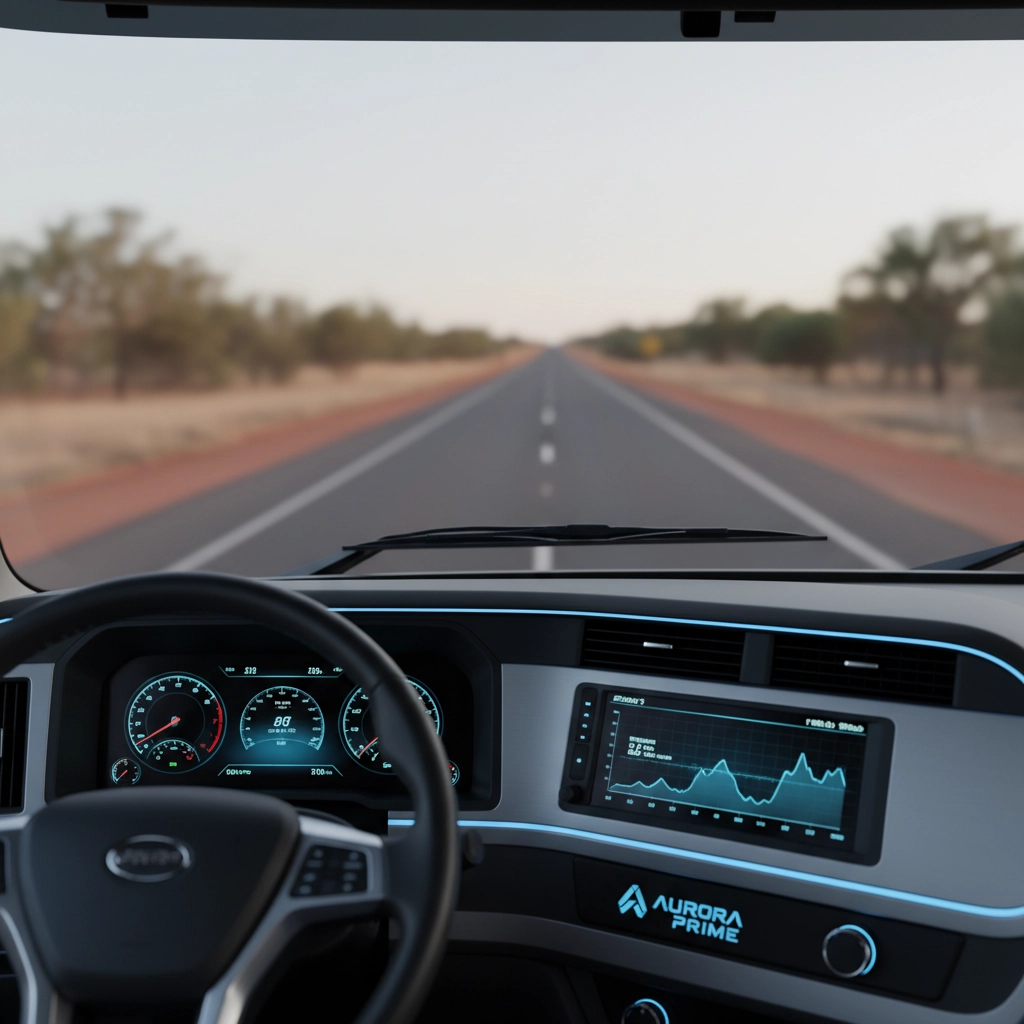
A Newcastle Trade Services company found their vehicles were idling an average of 30 minutes daily per vehicle. By implementing idling alerts and driver education, they reduced unnecessary idling by 50%. The result? A monthly fuel saving of $2,000 across their 30-vehicle fleet.
The technology also reveals patterns you might never have suspected. Perhaps certain job sites consistently generate excessive idling due to access restrictions, or specific drivers habitually idle during lunch breaks. Armed with this data, you can implement targeted solutions rather than blanket policies.
Hack #4: Prevent Problems Before They Drain Your Tank
When was the last time you considered how vehicle maintenance directly impacts fuel efficiency? A poorly maintained vehicle can consume up to 30% more fuel than one in optimal condition, yet many fleets operate on reactive maintenance schedules that miss critical efficiency opportunities.
Telematics-driven predictive maintenance transforms your approach from “fix it when it breaks” to “optimise it before it costs you money.” The system continuously monitors engine diagnostics, tire pressure, battery health, and other critical components that directly impact fuel consumption.
Consider tire pressure alone – underinflated tires increase rolling resistance and can boost fuel consumption by 3-5%. Your telematics system can alert you to pressure drops before they become visible problems, ensuring optimal efficiency across your entire fleet.
Engine diagnostic monitoring is equally powerful. The system detects developing issues like clogged air filters, failing oxygen sensors, or spark plug problems – all conditions that quietly drain fuel efficiency. By addressing these issues proactively, you maintain peak performance while avoiding the compounding costs of deferred maintenance.
Hack #5: Stop Fuel Theft Before It Starts
How confident are you that every litre of fuel you purchase actually powers your business operations? Fuel theft – whether external or internal – represents a significant hidden cost for many Australian fleets, and without proper monitoring, you might never know it’s happening.
Advanced telematics systems provide real-time fuel level monitoring that detects unusual consumption patterns, unexpected fuel drops, and unauthorised transactions. But the real power lies in the deterrent effect – when drivers and potential thieves know fuel usage is being monitored continuously, theft incidents drop dramatically.
The system tracks fuel consumption against distance travelled, engine hours, and driving patterns to establish baseline efficiency metrics for each vehicle. Sudden deviations from these baselines trigger immediate alerts, allowing you to investigate potential issues before they escalate.
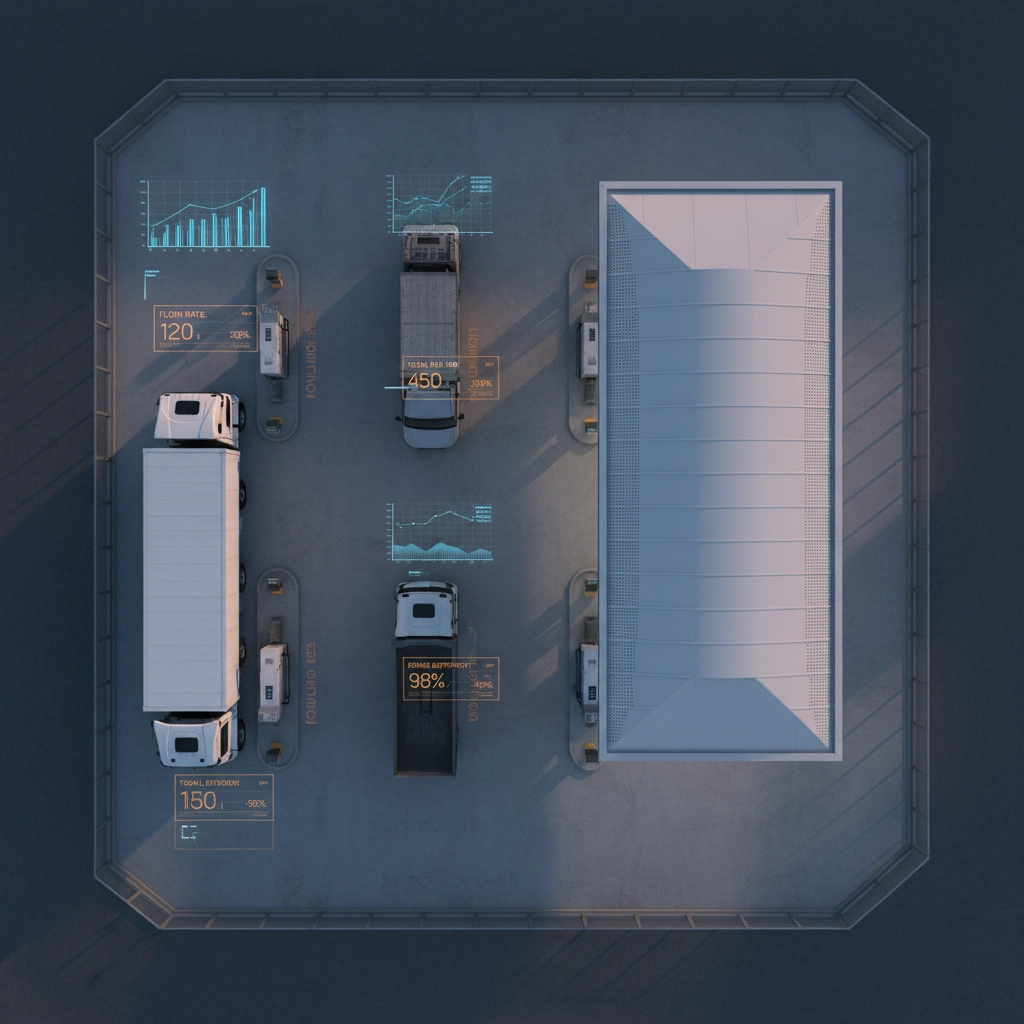
Beyond theft prevention, fuel monitoring helps identify mechanical issues that impact efficiency. Fuel system leaks, injector problems, or engine inefficiencies all create consumption anomalies that your telematics system can detect and report automatically.
Your Roadmap to 20% Fuel Savings
The evidence is clear: fleet telematics systems deliver measurable fuel cost reductions when implemented strategically. Companies achieving the full 20% savings typically combine multiple approaches rather than relying on single solutions.
Start with route optimisation and driver behaviour monitoring – these deliver the quickest returns on investment and require minimal operational changes. Once these systems are established, layer in predictive maintenance monitoring and fuel theft detection to capture additional savings.
The key is treating telematics as an operational strategy, not just a technology purchase. Your system is only as effective as your commitment to using its insights for continuous improvement.
Ready to transform your fuel costs from a budget drain into a competitive advantage? The technology exists, the strategies are proven, and Australian fleets are already seeing significant results.
Contact My Fleet today for a personalised demonstration of how telematics can deliver measurable fuel savings for your specific fleet operations. Don’t let another month of inflated fuel costs pass by when proven solutions are available right now.