
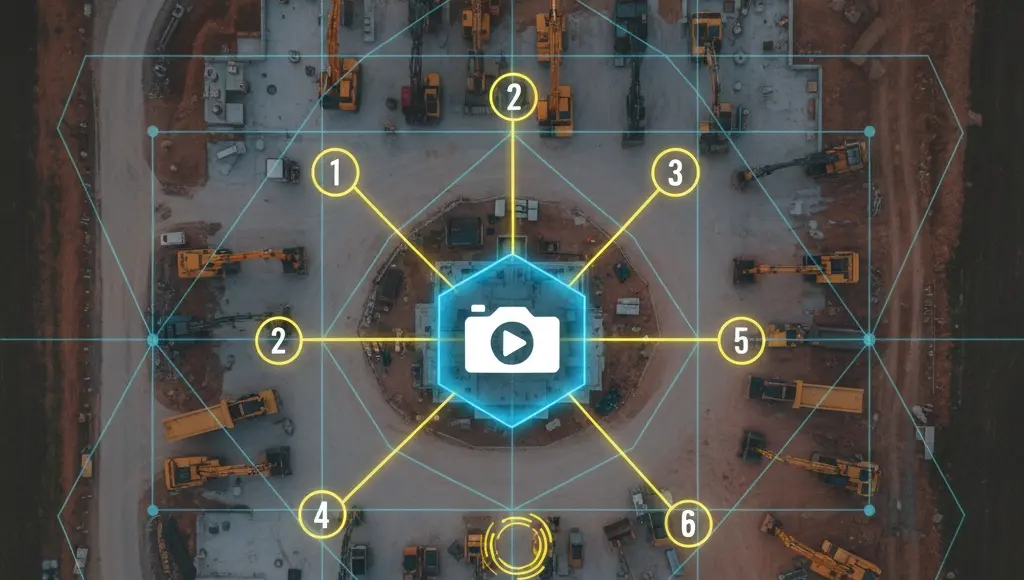
Are you still relying on basic GPS tracking while your construction crews navigate Australia’s most challenging worksites? If one of your vehicles is involved in an accident tomorrow, would you have the evidence to protect your business and your drivers?
Construction fleets face unique risks that standard fleet tracking Australia solutions simply can’t address. From navigating tight job sites with million-dollar equipment to managing driver fatigue on long hauls between projects, your operation needs more than just location data: you need complete visibility into what’s happening in and around your vehicles.
Video telematics transforms how civil contractors approach fleet safety, combining real-time video monitoring with advanced analytics to prevent accidents before they happen. Companies using these systems report accident reductions of over 20%, while protecting themselves from false claims that could cost thousands in legal fees and insurance premiums.
Here’s your practical roadmap to implementing video telematics that will revolutionise your construction fleet’s safety performance.
Step 1: Install AI-Powered Dash Cameras with Real-Time Alerts
Your first priority should be deploying intelligent camera systems that do more than just record footage. Modern video telematics solutions use AI to detect risky behaviours like harsh braking, rapid acceleration, phone use, and following too closely: then immediately alert both the driver and your dispatch team.
For construction fleets, this means instant notification when a driver makes an aggressive manoeuvre while hauling heavy equipment, or when fatigue starts affecting their reaction times on those early morning site visits. The system doesn’t wait for an accident to happen; it intervenes the moment risk factors appear.
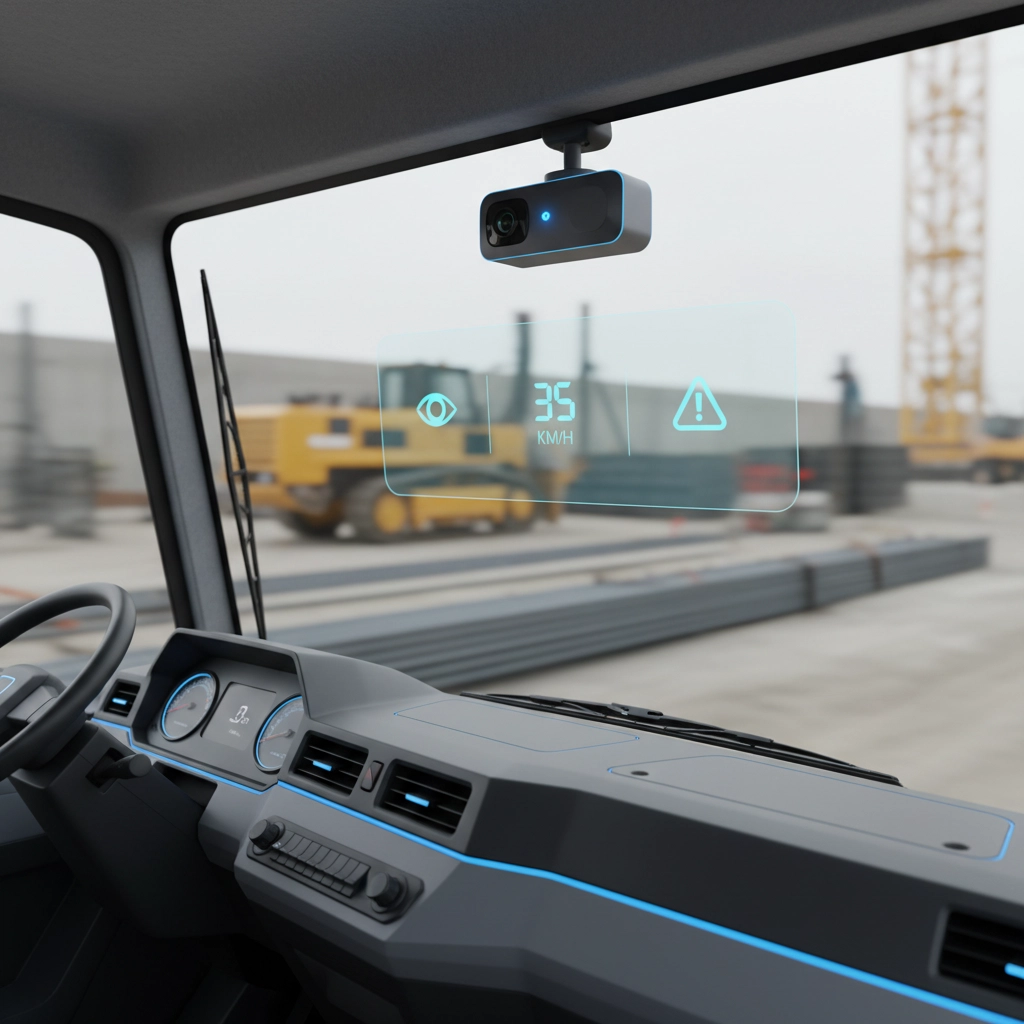
Choose systems that integrate seamlessly with your existing GPS fleet management platform. This gives you a complete picture combining location data with driver behaviour, so you can identify which routes or job sites consistently trigger risky driving patterns. When your telematics for fleets solution includes both video and tracking data, you’re not just monitoring: you’re actively managing risk.
The key is selecting cameras designed for construction environments. Look for units that can handle dust, vibrations, and temperature extremes while maintaining clear footage quality. Your investment should protect against both internal incidents and external claims from other road users.
Step 2: Create a Driver Coaching Program Based on Video Evidence
Raw footage means nothing without a structured approach to driver improvement. Your most effective safety tool isn’t punishment: it’s coaching using actual video examples of both risky and exemplary driving.
When your video telematics system flags a harsh braking incident, review the footage with your driver within 24 hours. Was it necessary emergency braking to avoid a hazard, or poor following distance that created unnecessary risk? The video provides context that traditional fleet tracking simply cannot offer.
Establish coaching sessions that focus on specific behaviours affecting your fleet. Maybe drivers are consistently speeding on certain highway sections, or taking corners too aggressively when arriving at job sites. Video evidence makes these conversations factual rather than argumentative, and drivers respond better when they can see their own actions.
Document all coaching sessions and track improvements over time. Drivers who consistently demonstrate safe practices should be recognised and potentially used as mentors for newer team members. This creates a positive safety culture where video telematics becomes a tool for professional development rather than surveillance.
Step 3: Leverage Video Evidence for Incident Management and Insurance Claims
When accidents happen: and in construction, they will: video footage becomes your most valuable asset for protecting your business. Australian courts increasingly rely on video evidence to determine fault, and insurance companies often settle claims faster when clear footage supports your driver’s account.
Your video telematics system should automatically save footage from 30 seconds before to 60 seconds after any incident trigger. This captures the complete context: what led to the situation, how your driver responded, and what happened immediately afterward. Without this evidence, you’re relying on witness statements and police reports that may not tell the complete story.
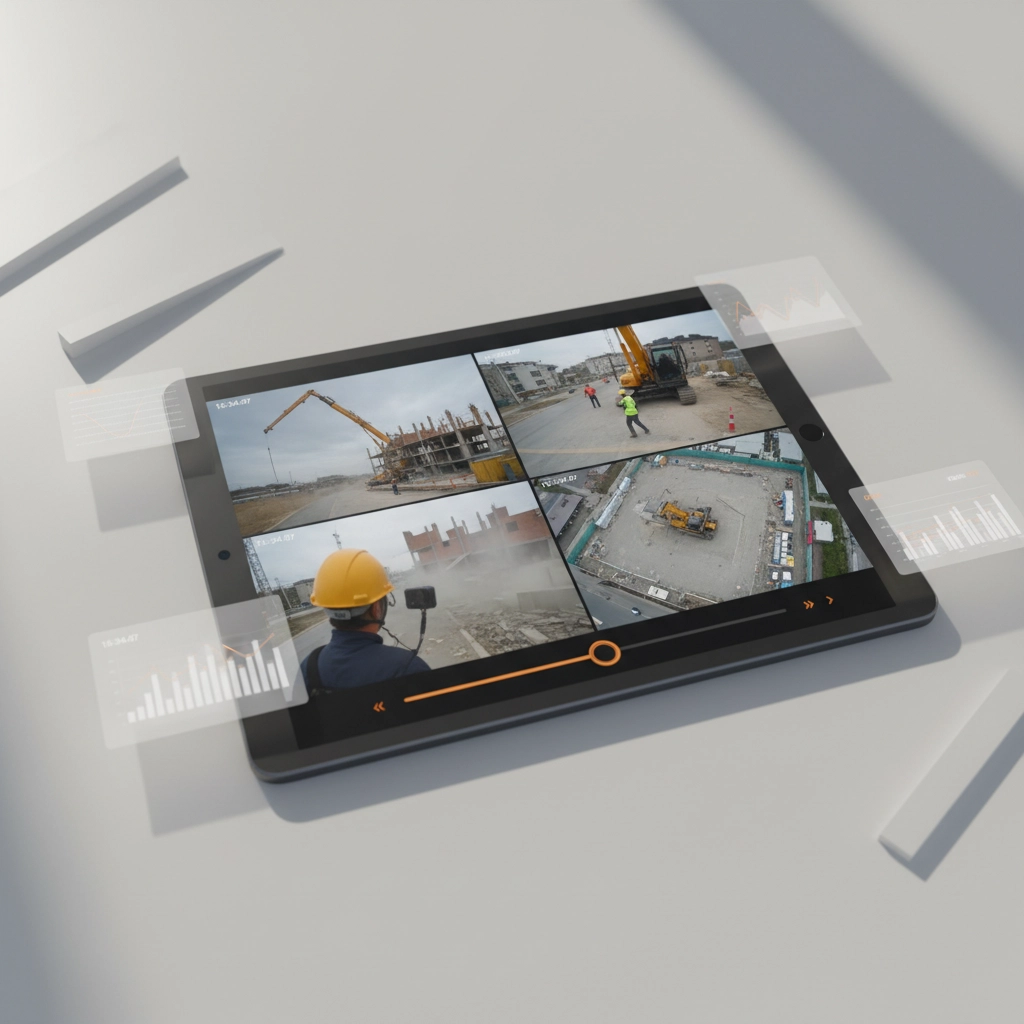
Beyond protecting against false claims, video evidence helps you identify training needs across your fleet. If multiple drivers are having issues with backing incidents at job sites, you can address this systematically rather than waiting for costly damage to accumulate.
Establish clear protocols for incident response that include immediately downloading and securing video files. Train your supervisors on reviewing footage objectively and documenting findings that support both insurance claims and driver development opportunities.
Step 4: Monitor Driver Wellness and Compliance with Advanced Analytics
Construction work often involves long days and physically demanding conditions that can impact driver alertness. Advanced video telematics uses AI to detect signs of driver fatigue, distraction, or impairment before they lead to accidents.
These systems monitor eye movement, head position, and reaction times to identify when drivers need breaks or rotation to different tasks. For construction fleets operating in remote areas or on extended shifts, this technology can literally save lives by preventing fatigue-related accidents.
Your fleet tracking and management strategy should include compliance monitoring for hours of service, especially if your operations involve interstate transport of equipment. Video telematics provides visual proof that drivers are following safety protocols, wearing required PPE, and operating vehicles according to company policies.
Australian workplace safety regulations are increasingly strict, and video evidence demonstrating your commitment to driver safety can be valuable during audits or investigations. When your GPS fleet tracking includes video verification of safety compliance, you’re building a comprehensive record of your safety management practices.
Step 5: Integrate Video Data with Your Complete Fleet Management System
Video telematics delivers maximum value when it’s fully integrated with your broader fleet management strategy. Your cameras should communicate with vehicle diagnostic systems to provide alerts about mechanical issues that could affect safety, while your GPS fleet management data helps identify patterns in incident locations and times.
Create dashboards that give you actionable insights rather than just data dumps. Which drivers consistently perform well across different vehicle types and job sites? Are certain routes or times of day associated with higher risk incidents? How are maintenance issues correlating with driver behaviour changes?
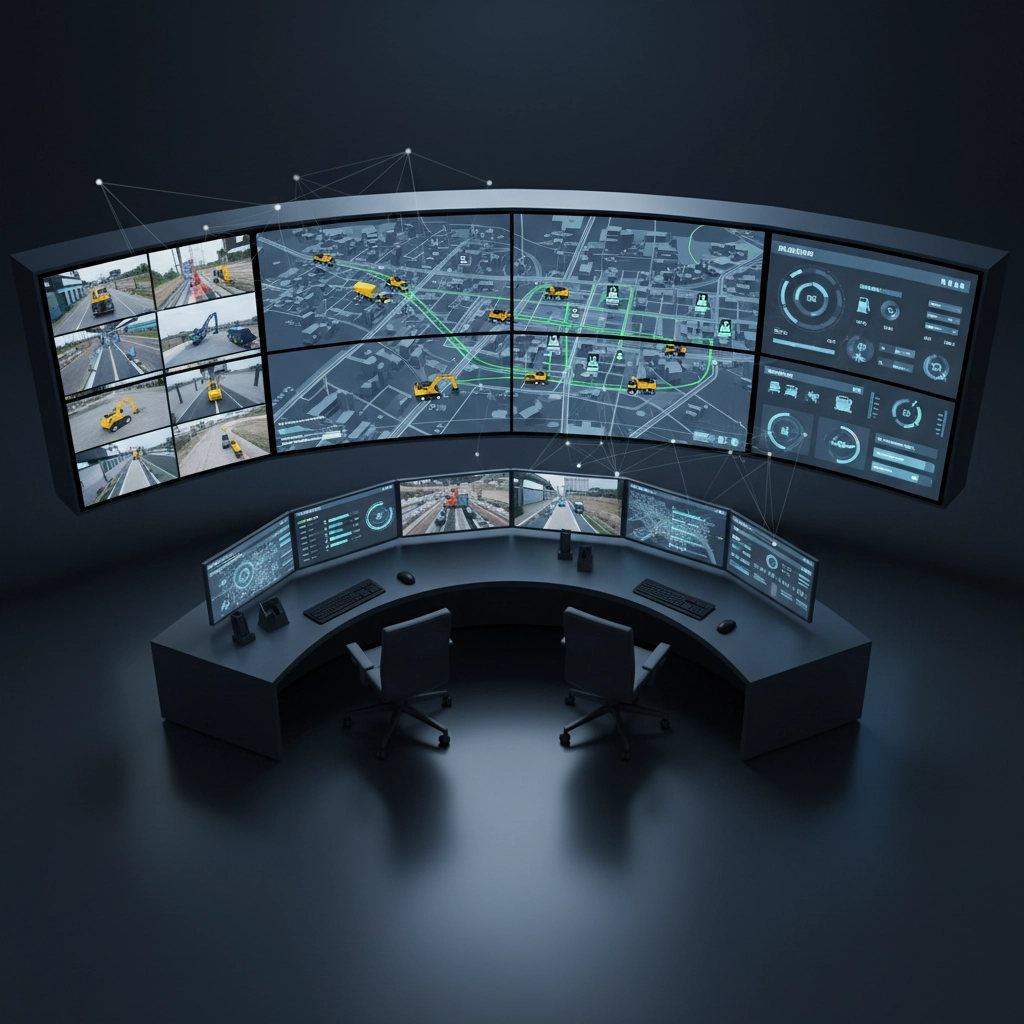
For civil contractors, integration means connecting video data with job scheduling, equipment maintenance, and project management systems. When you can correlate driver performance with specific projects or equipment assignments, you make better decisions about crew deployment and risk management.
Your fleet telematics investment should provide measurable ROI through reduced insurance claims, lower vehicle maintenance costs, and improved project efficiency. Track these metrics consistently to demonstrate the business value of your video telematics program.
Making Video Telematics Work for Your Construction Fleet
Implementation success depends on getting your team onboard from day one. Present video telematics as a safety tool that protects drivers rather than a surveillance system designed to catch mistakes. When drivers understand that the technology helps them avoid accidents and protects their employment, adoption becomes much smoother.
Start with a pilot program involving your most experienced and safety-conscious drivers. Their positive experiences and feedback will help convince skeptical team members that video telematics benefits everyone involved.
Remember that video telematics is part of your complete safety strategy, not a replacement for proper training, vehicle maintenance, and safety protocols. The technology amplifies good management practices: it doesn’t compensate for poor ones.
Your construction fleet faces unique challenges that require sophisticated solutions. Video telematics gives you the visibility and control needed to protect your drivers, your equipment, and your business reputation in an increasingly competitive and regulated industry.
Ready to take your fleet safety to the next level? Contact us to discuss how video telematics can address your specific construction fleet challenges and start reducing your risk exposure immediately.